Costa Rica's agricultural sector is concerned about the arrival of El Niño
2026-06-05
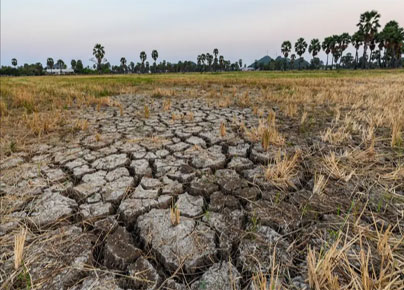
Costa Rica's agricultural sector is bracing for a strong El Niño phenomenon expected to begin in the latter half of this year and potentially extend into 2027. Producers are adapting by adjusting planting schedules, reinforcing irrigation and drainage systems, and enhancing pest monitoring to mitigate risks associated with drought, heat, and unpredictable rainfall.
The most vulnerable areas include livestock, coffee, rice, vegetables, sugarcane, and oil palm. In regions such as Guanacaste and the North Pacific, prolonged drought could lead to reduced pastures, increased feed costs, and decreased productivity. NOAA estimates a 96% chance that El Niño will persist until early 2027, which aligns with IMN forecasts of a delayed rainy season and rainfall deficits of 10 to 30%.
The National Chamber of Agriculture has cautioned that food prices may rise, rural employment may decline, exports could drop, and debt levels might increase, particularly for small and medium producers who lack adequate resources for mitigation. In response, the government has announced a special commission to coordinate actions, though detailed guidelines are still forthcoming.
Coffee growers are already noticing reduced flowering due to early rainfall shortages, posing risks to bean filling and quality in regions such as Alajuela, the Central Valley, Los Santos, and Guanacaste.
Meanwhile, the banana sector in the Caribbean is preparing for excessive rainfall and flooding, which can damage roots, reduce fruit weight, and affect export volumes. Corbana is taking measures to reinforce drainage systems and protective structures.
The pineapple industry is also expecting adverse effects from heat, drought, and irregular rainfall, which can diminish fruit size and increase plant stress. Producers are adjusting their practices related to nutrition, soil management, and harvest schedules to help safeguard yields.